
There’s something undeniably luxurious about having a personal sauna in your home. Beyond the immediate appeal of relaxation, a custom sauna represents a thoughtful investment in your health, your property value, and your quality of life. Whether you’re building a new home or considering a renovation, understanding the possibilities of custom sauna design can help you create a wellness sanctuary perfectly tailored to your lifestyle.
Why Choose a Custom Sauna?
While prefabricated sauna kits offer convenience, a custom sauna delivers something far more valuable: a wellness space designed specifically for your needs, your space, and your aesthetic vision. Custom saunas integrate seamlessly with your home’s architecture, maximize available space efficiently, and can incorporate features that matter most to you—from specific wood selections to advanced lighting systems and beyond.
The wellness benefits alone make saunas worth considering. Regular sauna use has been associated with improved cardiovascular health, better sleep quality, reduced stress levels, and enhanced muscle recovery. When you design a custom sauna, you’re not just adding a feature to your home; you’re creating a daily ritual that supports long-term wellbeing.
Key Design Considerations
Location, Location, Location
The placement of your sauna significantly impacts both its functionality and your likelihood of using it regularly. Consider these popular options:
Master Bathroom Suite: Integrating a sauna directly into your primary bathroom creates an ultra-convenient spa experience. You’re already in a private space designed for personal care, making it natural to transition from shower to sauna and back.
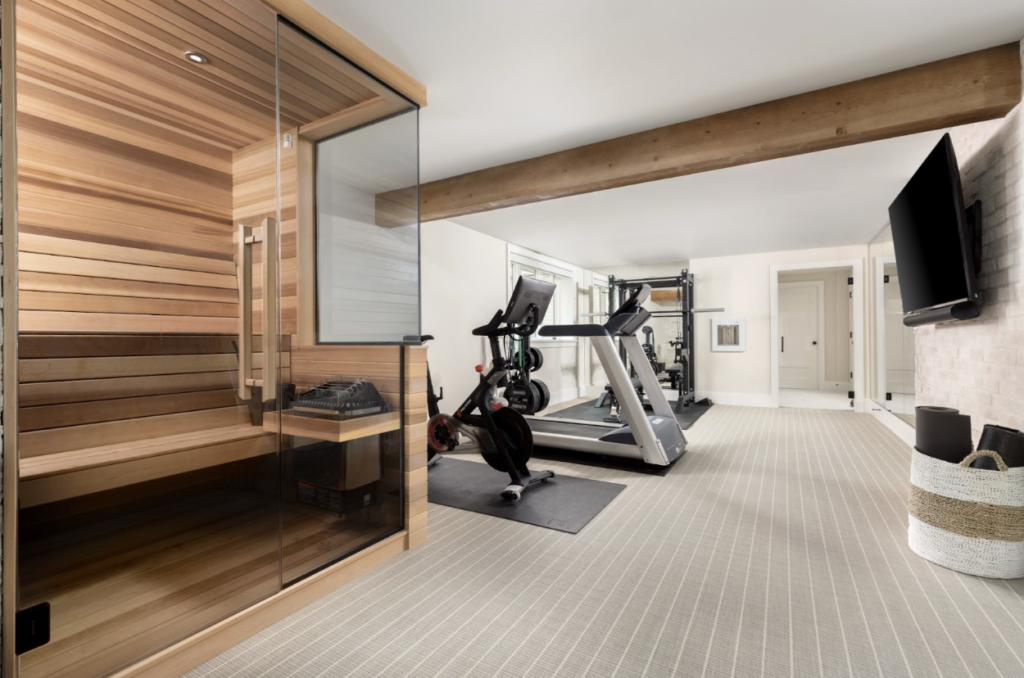
Basement Wellness Area: Basements offer excellent opportunities for creating dedicated wellness zones. With proper ventilation and moisture management, a basement sauna can anchor a complete retreat that might also include a home gym, massage area, or meditation space.
Outdoor Installations: For homeowners with the space, an outdoor sauna provides a unique connection to nature. The contrast between the heat inside and fresh air outside creates an invigorating experience, though this option requires additional attention to weatherproofing and insulation.
Garage Conversions: Underutilized garage space can be transformed into a private wellness sanctuary. This option offers separation from the main living areas while still remaining easily accessible.
Size and Capacity
Sauna size should reflect how you plan to use the space. A compact two-person sauna might measure 4×4 feet—perfect for solo relaxation or intimate couples’ sessions. Family saunas typically range from 6×6 to 8×8 feet, comfortably accommodating four to six people. Remember that ceiling height matters too; standard saunas work well at 7 feet, though higher ceilings can create a more spacious feel.
Think beyond just physical dimensions. Consider bench configuration carefully. Do you want the ability to fully recline? Multiple bench levels create temperature zones, allowing users to choose their preferred heat intensity.
Wood Selection: The Foundation of Your Design
The wood you choose defines both the aesthetic and functional character of your sauna. Each species brings unique properties:
Cedar: A classic choice prized for its natural resistance to moisture and decay. Cedar’s aromatic oils create a pleasant scent while actively resisting bacteria and mold. Western Red Cedar offers a rich, warm tone that deepens beautifully over time.
Hemlock: For those sensitive to strong wood aromas, hemlock provides an excellent alternative. This light-colored, smooth-grained wood creates a clean, minimalist aesthetic while remaining highly stable in high-heat environments.
Nordic Spruce: Popular in Scandinavian saunas, spruce offers a pale, uniform appearance with minimal knots. Its lower resin content means less odor and fewer concerns about resin bleeding at high temperatures.
Aspen: Hypoallergenic and naturally light in color, aspen remains cool to the touch even at high temperatures, making it particularly comfortable for bench seating. Its subtle grain pattern suits contemporary design aesthetics.
Your wood selection can mix—many custom saunas use one species for benches and another for walls, balancing aesthetics with comfort and budget considerations.
Essential Features and Systems
Heating Options
The heart of any sauna is its heater, and you have several options:
Traditional Electric Heaters: The most common choice for residential installations, electric heaters with rock beds provide reliable, even heat. They’re relatively simple to install and maintain, with precise temperature controls. Expect to need a 240-volt dedicated circuit for most units.
Infrared Systems: Infrared saunas operate at lower temperatures (120-150°F versus 150-190°F for traditional saunas) while still promoting sweating through direct heat absorption. Some users prefer the gentler experience, and infrared systems typically use standard 120-volt outlets.
Wood-Burning Stoves: For outdoor saunas or homes where the traditional experience is paramount, wood-burning stoves deliver authentic heat with an element of ritual in fire-tending. They require proper ventilation and often additional permitting.
Hybrid Systems: Some custom installations combine heating methods, using both traditional and infrared elements to provide flexibility in how the sauna operates.
Ventilation: The Unsung Hero
Proper ventilation makes the difference between a comfortable, effective sauna and a stifling, short-lived one. Your sauna needs fresh air intake positioned low on the wall opposite your heater, with an exhaust vent near the ceiling on the same wall as the heater. This creates proper air circulation, exchanging the entire volume of air approximately six to eight times per hour.
Don’t underestimate this system. Poor ventilation leads to uncomfortable air quality, excessive humidity that can damage wood over time, and an overall inferior experience.
Lighting Design
Lighting in your custom sauna should be purposeful and relaxing. Harsh overhead lighting contradicts the entire purpose of the space. Consider:
- Recessed LED fixtures behind wooden slats for soft, indirect illumination
- Chromotherapy lighting systems that allow color changes to enhance mood
- Himalayan salt backlighting that creates a warm, ambient glow
- Fiber optic star ceiling effects for an ethereal atmosphere
All fixtures must be rated for high heat and humidity conditions. Dimmers are essential—you’ll want control over intensity to match your mood.
Door Selection
Your sauna door serves both functional and aesthetic purposes. Glass doors have become increasingly popular, offering:
- Visual connection to the outside space (important for those who feel claustrophobic)
- Modern, spa-like appearance
- Easy monitoring of occupants for safety
- Excellent seal when properly installed
Traditional wooden doors provide a more enclosed, cocoon-like experience and classic aesthetic. Bronze-tinted glass offers a middle ground, providing visual interest while maintaining some privacy.
Whichever you choose, ensure it opens outward for safety and includes proper magnetic or roller latches designed for high heat.
Control Systems and Technology Integration
Modern custom saunas can integrate sophisticated control systems without sacrificing the fundamental simplicity that makes saunas so appealing.
Smart Controls: WiFi-enabled systems let you preheat your sauna remotely, ensuring it’s ready when you are. Some systems integrate with home automation platforms, allowing voice control or scheduling.
Digital Thermostats: Precise temperature control with digital displays takes the guesswork out of operation. Look for systems with multiple user profiles that remember preferred settings.
Built-in Audio: Bluetooth-enabled speakers designed for high heat allow you to enjoy music, podcasts, or guided meditation during sessions. Mount them thoughtfully to avoid overwhelming the space.
Chromotherapy Systems: Programmable LED lighting that cycles through colors associated with different wellness benefits adds a spa-like element to your personal sauna.
Safety Features: Non-Negotiable Elements
A well-designed custom sauna prioritizes safety through multiple layers:
- Dedicated electrical circuit properly sized for your heater
- Heat-resistant materials for all interior surfaces
- Proper clearances between heater and combustible materials
- Emergency shut-off accessible from both inside and outside
- Tempered glass if using glass doors or windows
- Non-slip flooring that drains properly
- Timer systems that prevent extended operation
- Temperature limiters that prevent dangerous overheating
Work with a builder familiar with sauna installation. While DIY approaches exist, proper installation ensures both safety and longevity.
Aesthetic Customization Options
Your custom sauna should feel like a natural extension of your home’s design language.
Contemporary Minimalist: Clean lines, light wood tones, minimal hardware, and geometric simplicity create a modern sanctuary. Consider floor-to-ceiling vertical wood paneling, frameless glass doors, and recessed lighting.
Traditional Scandinavian: Horizontal wood planking in darker tones, visible bench structure, and a focus on authentic materials honor sauna’s Finnish origins. Add traditional wooden buckets and ladles for the full experience.
Spa-Inspired Luxury: Mix materials like stone tile flooring, teak benches, multiple lighting zones, and premium finish details. Incorporate features like aromatherapy systems or built-in sound.
Rustic Retreat: Embrace natural wood variations, exposed beams if space allows, and a connection to nature through strategic window placement or outdoor access.
The Installation Process: What to Expect
Understanding the typical timeline helps set realistic expectations:
Planning and Design (2-4 weeks): Work with your builder to finalize size, location, features, and materials. This phase includes electrical planning and any necessary permits.
Preparation (1-2 weeks): Site preparation, electrical rough-in, any necessary plumbing for adjacent shower areas, and ventilation installation.
Construction (1-2 weeks): Framing, insulation (critical for efficiency), vapor barrier installation, and interior wood installation.
Systems Installation (3-5 days): Heater installation, electrical connection, lighting, controls, and door hanging.
Finishing and Testing (2-3 days): Final trim, sealing, initial heat-up, and system testing.
Most custom sauna projects complete within 4-8 weeks from contract signing to first use, depending on complexity and material availability.
Maintenance: Keeping Your Investment Pristine
Saunas are remarkably low-maintenance when designed and installed properly:
After Each Use:
- Wipe down benches with a clean towel
- Leave door open for 10-15 minutes to air dry
- Remove any towels or accessories
Weekly:
- Vacuum or sweep floor
- Check heater rocks for proper positioning
- Wipe down door glass if applicable
Monthly:
- Mild wood cleaner for benches if needed
- Inspect ventilation grates for obstructions
- Check door seal
Annually:
- Deep clean all surfaces
- Inspect electrical connections
- Check wood condition and reseal if necessary
- Professional heater inspection
Proper maintenance extends the life of your sauna indefinitely. Many well-maintained saunas function beautifully for decades.
Making It Uniquely Yours
The beauty of custom sauna design lies in personalization. Consider these finishing touches:
- Aromatherapy dispensers for eucalyptus or other essential oils
- Built-in towel warmers in adjacent areas
- Cold plunge or shower nearby for contrast therapy
- Natural stone accents around the entrance
- Custom bench heights tailored to your family’s needs
- Window placement for natural light or views
- Magazine rack or reading shelf for dedicated relaxation time
Your Wellness Sanctuary Awaits
A custom sauna represents more than an addition to your home—it’s an investment in daily rituals that support health, reduce stress, and create a personal retreat from the demands of modern life. By understanding the design possibilities, essential features, and customization options available, you can create a sauna that perfectly serves your needs while complementing your home’s architecture and aesthetic.
Whether you envision a minimalist two-person sanctuary or a spacious family wellness room, the key to a successful custom sauna lies in thoughtful planning, quality materials, and attention to the details that matter most to you.
Ready to explore custom sauna options for your home? Contact Radiant Homes to discuss how we can integrate a personalized wellness retreat into your new construction or renovation project. Our team specializes in creating custom features that enhance both your lifestyle and your property value.